
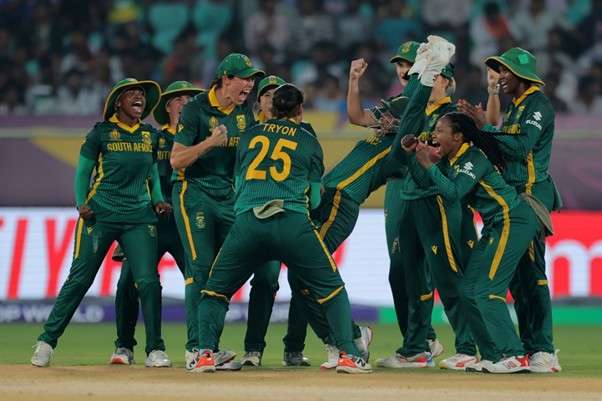
After falling heartbreakingly short at the final hurdle in both the 2023 and 2024 editions, the Proteas Women enter the 2026 ICC Women’s T20 World Cup with a high-stakes, high-reward strategy. Under the calm leadership of Laura Wolvaardt, South Africa has thrown down the gauntlet by leaning heavily into elite international experience.
Headline news of their campaign centers on the sensational return of pace spearhead Shabnim Ismail, who has reversed her international retirement to pull the Proteas badge back on. Coupled with the return of former captain Dané van Niekerk and a fully fit Marizanne Kapp, South Africa boasts one of the most battle-hardened squads heading into England and Wales.
Strengths
- World-Class Top Order: The opening partnership between Laura Wolvaardt and Sune Luus has become one of the most reliable and explosive foundations for the Proteas, capable of setting or chasing down massive totals. With Tazmin Brits the usual batter to come in with a wicket down, South Africa can still fire in the Powerplay.
- Elite Fast-Bowling Firepower: The shocking return of Shabnim Ismail – still clocked as the world’s fastest active female bowler at 132.1 km/h – alongside the immaculate control of Ayabonga Khaka and Marizanne Kapp makes this the most feared seam unit in the tournament.
Weaknesses
- Middle-Order Stagnation: The Proteas have a historical vulnerability where they lose scoring momentum during the middle overs if their star openers are dismissed early in the powerplay.
- The Last Hurdle Mental Block: Carrying the heavy psychological baggage of consecutive World Cup final defeats creates a unique brand of pressure that the squad must overcome when entering high-stress knockout situations.
Opportunities
- Favorable English Conditions: The green, true-bouncing pitches anticipated at premium venues like Lord’s and Headingley play directly into the structural strengths of their elite seamers, offering natural swing and seam movement.
- The Rise of Kayla Reyneke: The former Under-19 captain enters the tournament following a breakout domestic season where she averaged over 53 with the bat, giving the senior team a highly explosive, youthful x-factor in the lower-middle order.
Threats
- The Group 1 “Group of Death”: Being drawn alongside absolute powerhouses Australia and India leaves the Proteas with zero room for a slow start to the tournament, as every single group match will feel like a quarter-final.
- Physical Workload Management: Relying so heavily on aging marquee stars who are coming off intense domestic seasons and recent injury setbacks means any sudden fitness failure could derail their entire tactical blueprint.
Proteas’ ICC Women’s T20 World Cup 2026 Squad
Tactical Takeaway
Head coach Mandla Mashimbyi has built a squad designed specifically to win tight, high-pressure knockout games rather than just cruising through group stages. If the Proteas can navigate the initial challenges of Group 1 and find a reliable middle-order finisher in Chloe Tryon or young Reyneke to support the top order, their veteran bowling attack has the skill and experience to win them a historic maiden global title on English soil.
Also read: ICC Women’s T20 WC 2026: Smriti Mandhana Backs Shafali Verma To Open Batting