
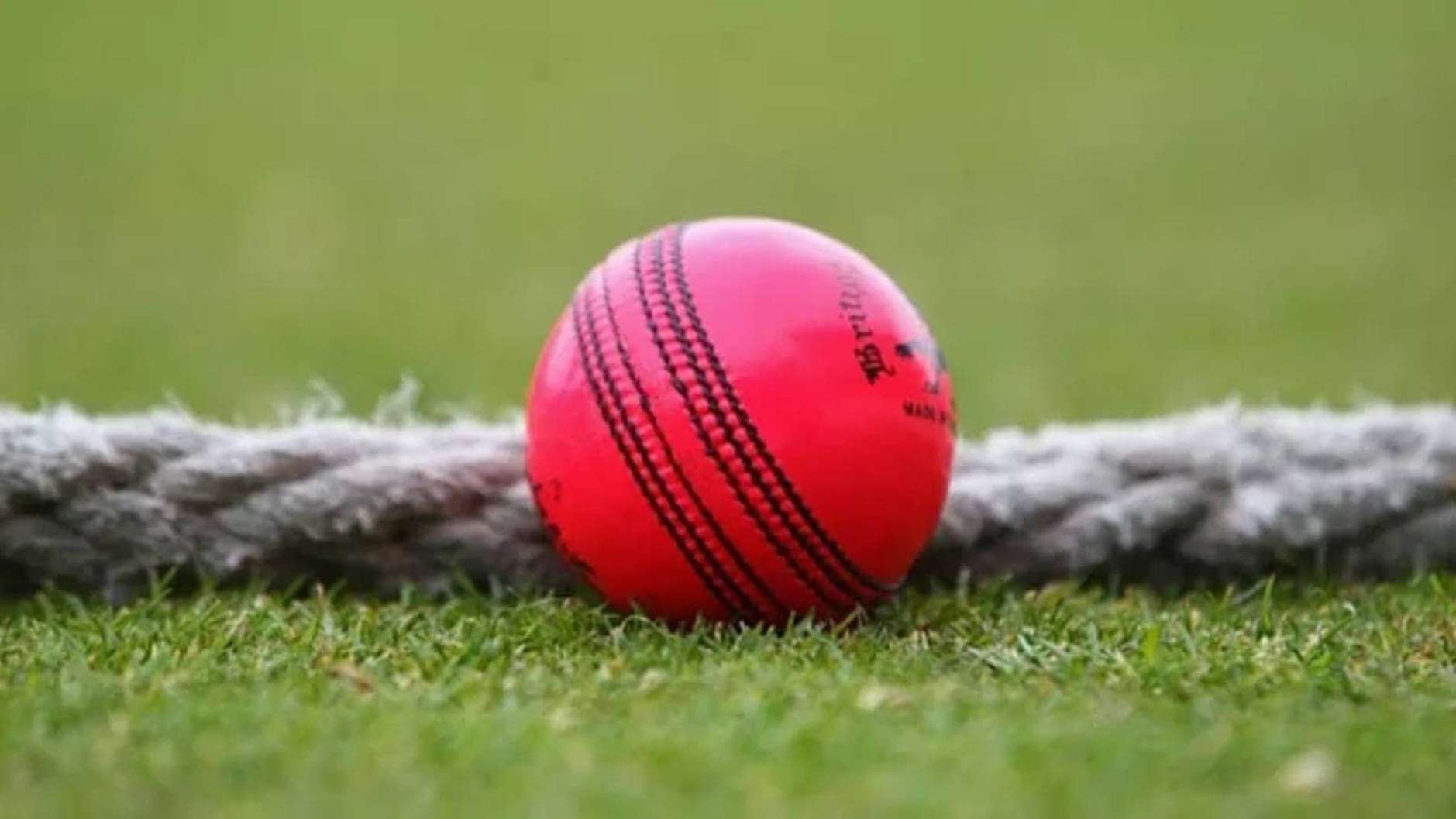
The International Cricket Council (ICC) has approved a significant trial aimed at tackling one of Test cricket’s most persistent problems — bad light. Under the new regulation, teams may switch from a traditional red ball to a pink ball during a Test match if fading light threatens to suspend play. The move is designed to minimize interruptions, ensure more overs are completed, and improve the overall viewing experience for fans worldwide.
For decades, bad light has been a major source of frustration in Test Cricket. Umpires often suspend play when visibility drops below acceptable levels, even when floodlights are available. The new trial could provide a practical solution that allows matches to continue safely without compromising playing conditions.
Why the Pink Ball Could Be the Answer
The Pink ball was originally introduced for day-night Test matches because it remains more visible under artificial lights than the traditional red ball. Players, officials, and broadcasters have generally acknowledged its effectiveness in maintaining visibility during evening sessions.
By allowing a switch to the pink ball during day Tests affected by poor light, the ICC hopes to reduce the number of overs lost. The proposal recognizes that modern stadium lighting can support play, provided the ball remains visible to both batters and fielders.
However, the rule will only come into effect it both participating teams agree before the start of the match. This condition ensures that neither side gains an unfair advantage from a mid-match ball change.
Potential impact on Test Cricket Strategy
The introduction of a red-to-pink ball switch could have a major tactical impact. Red and Pink balls behave differently in varying conditions. While the pink ball is generally easier to see under lights, it can also offer different movement patterns for fast bowlers.
Captains and coaches may need to rethink strategies if a ball change becomes likely during certain matches. Fast bowlers could benefit from additional swing during twilight periods, while batters may need to adjust their techniques against a ball that behaves differently from the one used earlier in the day.
As a result, preparation for Test matches may become more complex, adding another strategic dimension to the longest format of the game.
ICC’s Broader Push for Modernization
The red-to-pink ball trial was not the only major decision taken by the ICC. The governing body also approved several recommendations aimed at modernizing international cricket.
One of the most notable changes allows head coaches and designated support staff to enter the field during scheduled drinks breaks in ODIs and T20Is. Previously, communication between coaches and players during international matches was heavily restricted.
The change mirrors practices already common in franchise tournaments such as the IPL, where strategic timeouts allow direct interaction between coaching staff and players.
New Rules for T20Is and umpiring Support
The ICC has also confirmed that innings breaks in T20 Internationals will remain limited to 15 minutes, helping maintain the fast-paced nature of the format.
In another important development, the governing body has permanently adopted guideline markings to assist umpires in judging wides on the leg side. The decision follows successful trials and is expected to improve consistency in officiating, particularly when batters move across the crease.
Additionally, match officials will gain greater access to Hawk-Eye data when assessing suspected illegal bowling actions, improving the accuracy of reporting procedures.
What This Means for the Future of Test Cricket
The ICC’s decision represents a progressive step toward preserving playing time while maintaining fairness and safety. If the trial proves successful, the red-to-pink ball switch could become a permanent feature of Test cricket in the coming years.
With broadcasters, players, and fans all eager to see fewer interruptions caused by bad light, this experiment has the potential to reshape how Test cricket is played. While challenges and debates will inevitably arise, the ICC’s willingness to explore innovative solutions demonstrates its commitment to protecting the integrity and appeal of the sports’ most traditional format.
Also Read: RCB vs GT: Tim David Banned After Breach Of Conduct