
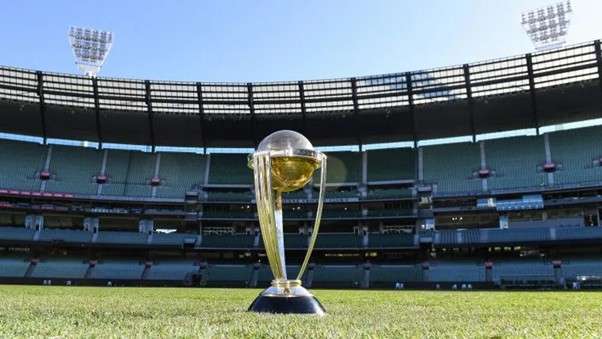
The reveal of the ICC ODI WC 2027 new updated format introduces a multi-tier, three-stage roadmap before the knockouts complete with a bottom-tier “Super Series” play-in and a brand-new “Super 7” phase designed to ensure every single fixture carries real tournament weight.
If the ten-team, round-robin setups in 2019 and 2023 felt like a grueling marathon that dragged on before delivering a handful of knockout thrillers, the International Cricket Council has clearly taken the hint. The flagship 50-over event is expanding back to 14 teams when South Africa, Zimbabwe, and Namibia host the showpiece in late 2027. But this isn’t just a simple repeat of the 2003 or 2011 structures.
Stage by Stage: How the ICC ODI WC 2027 New Updated Format Operates
Instead of throwing all 14 teams into two neat groups of seven right out of the gate, the governing body has engineered a three-tiered tournament progression.
                                ROUND 1: SUPER SERIES
                          3 Lowest-Ranked Qualifiers (12th, 13th, 14th)
                                      |
                                      v
                             ROUND 2: MAIN GROUPS
                        12 Teams Split into Group A & Group B
                                      |
                                      v
                              ROUND 3: SUPER 7
                        Top 3 from Each Group + Best 4th Place
                                      |
                                      v
                             KNOCKOUTS: SEMIS & FINAL
                             Top 4 Advance to Semi-Finals
Round 1: The Super Series Play-In
The tournament kicks off with a three-match round-robin between the three lowest-seeded qualified teams (ranked 12th, 13th, and 14th). Only the winner of this mini-league advances into the main 12-team group stage. It gives associate and lower-ranked nations an immediate high-stakes audition, preventing early blowouts in the main draw while granting the winner genuine momentum.
Round 2: The 12-Team Group Stage
Once the Super Series winner joins the top 11 seeds, the 12 teams are split into two groups of six. Every side plays five round-robin matches within their group. The top three teams from Group A and Group B automatically qualify for the next round, accompanied by the single best fourth-placed team across both pools based on points and Net Run Rate.
Round 3: The Super 7 Phase
Replacing the traditional Super Six, seven teams advance into a single round-robin block where everyone plays six matches. This eliminates dead rubbers late in the group stage. The top four teams at the end of the Super 7 standings cross over into the semi-finals (1st vs 4th, 2nd vs 3rd), setting up the grand finale.
Comparing World Cup Formats Through the Eras
| Tournament Era | Participating Teams | Total Matches | Structure to Knockouts |
| 2003 (South Africa) | 14 Teams | 54 Matches | 2 Groups of 7 ➔ Super Sixes ➔ Semi-Finals |
| 2007 (West Indies) | 16 Teams | 51 Matches | 4 Groups of 4 ➔Super Eights ➔ Semi-Finals |
| 2011 & 2015 | 14 Teams | 49 Matches | 2 Groups of 7 ➔Quarter-Finals Semi-Finals |
| 2019 & 2023 | 10 Teams | 48 Matches | Single 10-Team ➔Round Robin ➔Semi-Finals |
| 2027 (Africa) | 14 Teams | 57 Matches | Super Series 2 Groups of 6 ➔ Super 7 ➔ Semi-Finals |
Tactical Context: Why the Shift Matters
Expanding the field to 14 teams restores global representation, opening doors for emerging nations without diluting match quality in the core broadcast windows. For elite sides like India, Australia, and England, the margin for error in Round 2 becomes paper-thin. In a six-team pool where only three spots are guaranteed, a single upset or bad weather day can instantly jeopardize a tournament campaign.
Furthermore, playing in subcontinental African conditions spanning the high altitude of Johannesburg, the coastal humidity of Durban, and the dry surfaces in Windhoek demands rapid tactical flexibility. Teams can no longer coast through nine group games relying on sheer squad depth; they must hit peak form quickly to survive the pressure of the new Super 7 phase.
The Verdict
The ICC ODI WC 2027 new updated format strikes a deliberate balance between global inclusivity and intense, high-stakes competition. By paring down the main group stage to 12 teams and introducing the tense Super 7 hurdle, the ICC has created a framework where every middle-over spell and late-order scramble carries genuine tournament consequences. It sets up Africa’s return to hosting World Cup cricket after 24 years as a thrilling, unpredictable spectacle.
Also Read: ICC ODI WC 2027: ICC Announces 12 Host Cities For Marquee Tourney