
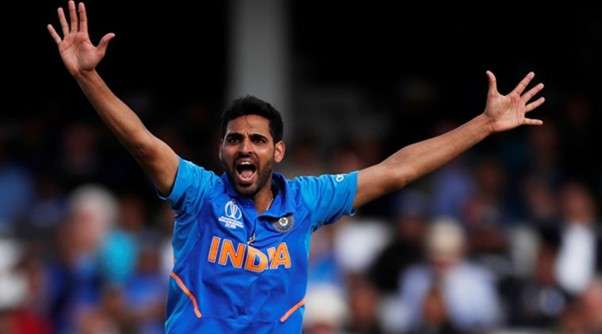
A veteran swing bowler’s unexpected return has brought experience back into focus, while Mohammed Shami’s continued absence raises questions about India’s pace-bowling selections. Indian cricket has witnessed several remarkable comebacks, but Bhuvneshwar Kumar’s latest return to the T20I setup stands out for its timing. Bhuvneshwar Kumar has earned another opportunity to wear the Indian jersey after nearly four years away from T20 internationals.
His inclusion ahead of the fifth T20I against the West Indies in Bengaluru on October 17, 2026, came after Arshdeep Singh sustained a blow to his bowling shoulder during the previous match. After nearly four years away from international cricket in the shortest format, Bhuvaneshwar Kumar has moved back into India’s plans, raising questions about experience, performance and the changing priorities of the selection committee.
A Comeback Built on Performance
Bhuvneshwar Kumar’s return is not merely a sentimental decision. The 36-year-old has continued to deliver in the Indian Premier League, demonstrating that experience can remain valuable in a format increasingly associated with aggressive batting and high-scoring contests. His performances for Royal Challengers Bengaluru have strengthened his case. Bhuvneshwar Kumar claimed 28 wickets in 16 matches during IPL 2026, maintaining an economy rate of 7.95. His ability to swing the new ball and execute his plans at the death made him an important part of RCB’s successful campaign.
The numbers tell only part of the story. T20 cricket demands bowlers who can adapt quickly when batters attack from the first delivery. Bhuvneshwar Kumar’s experience allows him to vary his pace, exploit movement and make calculated decisions under pressure. His recall for the upcoming New Zealand T20I series reflected the selectors’ interest in combining youth with experience. India’s batting coach Sitanshu Kotak also highlighted Bhuvneshwar Kumar’s recent IPL performances and the value of having experienced bowlers available for challenging conditions.
The timing became even more significant when Bhuvneshwar Kumar was added to India’s squad for the fifth T20I against West Indies in Bengaluru on October 16, following Arshdeep Singh’s shoulder injury. With the five-match series level at 2-2, India suddenly had another experienced option for the decider. However, his inclusion as cover did not guarantee a place in the playing XI. The immediate question was whether India would need his services for a match in which the margin for error was particularly small.
Why Does Bhuvneshwar Kumar Still Matter?
Modern T20 cricket increasingly rewards bowlers who can operate in different phases of an innings. While raw pace and variations have become essential weapons, swing and precision remain valuable when used effectively. Bhuvneshwar Kumar offers India a different skill set. His ability to move the new ball can create opportunities during the powerplay, while his control and variations can help him manage difficult overs later in the innings.
India’s search for the right balance between young fast bowlers and experienced campaigners makes his return particularly relevant. Young players bring energy and new skills, but international cricket also demands composure when plans fail. Bhuvneshwar Kumar’s selection does not necessarily mean India are abandoning their long-term plans. Instead, it suggests that recent performance and experience can still earn a senior player another opportunity. The bigger challenge is turning an impressive IPL record into sustained international success. Franchise cricket and international cricket have different pressures, and Bhuvneshwar Kumar must prove that his skills can translate effectively at the highest level once again.
The Mohammed Shami Question
Bhuvneshwar Kumar’s recall has inevitably drawn attention to Mohammed Shami, another experienced Indian fast bowler who has remained outside the national setup. Mohammed Shami last represented India in March 2025, during the ICC Champions Trophy. His absence has become a subject of discussion, particularly because he has continued to play domestic cricket and produce performances that keep him in contention.
His recent record includes seven wickets across his last two Duleep Trophy matches and 37 wickets during the previous Ranji Trophy season. He also began the 2026-27 Ranji Trophy campaign with a four-wicket haul for Bengal against Delhi. These performances raise a reasonable question: what more must a senior fast bowler demonstrate to return to international cricket?
However, domestic wickets alone cannot establish why a player has not been selected. Team combinations, fitness assessments, workload management and the requirements of a particular format can all influence selection. The selectors have not publicly established one definitive reason that explains Mohammed Shami’s continued absence. There is also an important distinction between the two cases. Bhuvneshwar Kumar’s latest recall is specifically for T20 cricket, where his recent IPL performances have provided direct evidence of his current effectiveness in the format. Mohammed Shami’s strengths and recent performances must be assessed against the role India want their fast bowlers to fulfil.
A Question of Balance, Not Just Reputation
India’s pace-bowling debate is ultimately about finding the right balance between experience, current form and future planning. Bhuvneshwar Kumar’s return offers an opportunity to assess whether a proven campaigner can still influence international T20 cricket. Mohammed Shami’s continued absence, meanwhile, highlights the uncertainty that surrounds selection when experienced players remain active but are not recalled.
Neither reputation nor a strong domestic performance should guarantee a place in the national team. Equally, a player’s age or time away from international cricket should not automatically end the discussion. The challenge for the selectors is to communicate their requirements clearly and choose bowlers whose skills match the team’s immediate needs.
For Bhuvneshwar Kumar, this comeback is an opportunity to show that his best qualities remain relevant. For Shami, the wait continues, with domestic performances providing a reminder that he remains active in competitive cricket. Ultimately, Bhuvneshwar Kumar’s return is more than a nostalgic moment for Indian cricket fans. It is a test of whether experience, when supported by current performance, can earn its place in a changing team. And as India continues to shape their pace attack, the Shami question remains an important part of the wider selection debate.
Also Read: IND vs WI: Shai Hope’s 3rd T20I Ton Decimates India